
CSRD & packaging: get a grip on your packaging data
With PPWR (from 12 August 2026), EPR and CSRD you have to know exactly what you put on the market. PimLayer makes your packaging data controlled and export-ready.
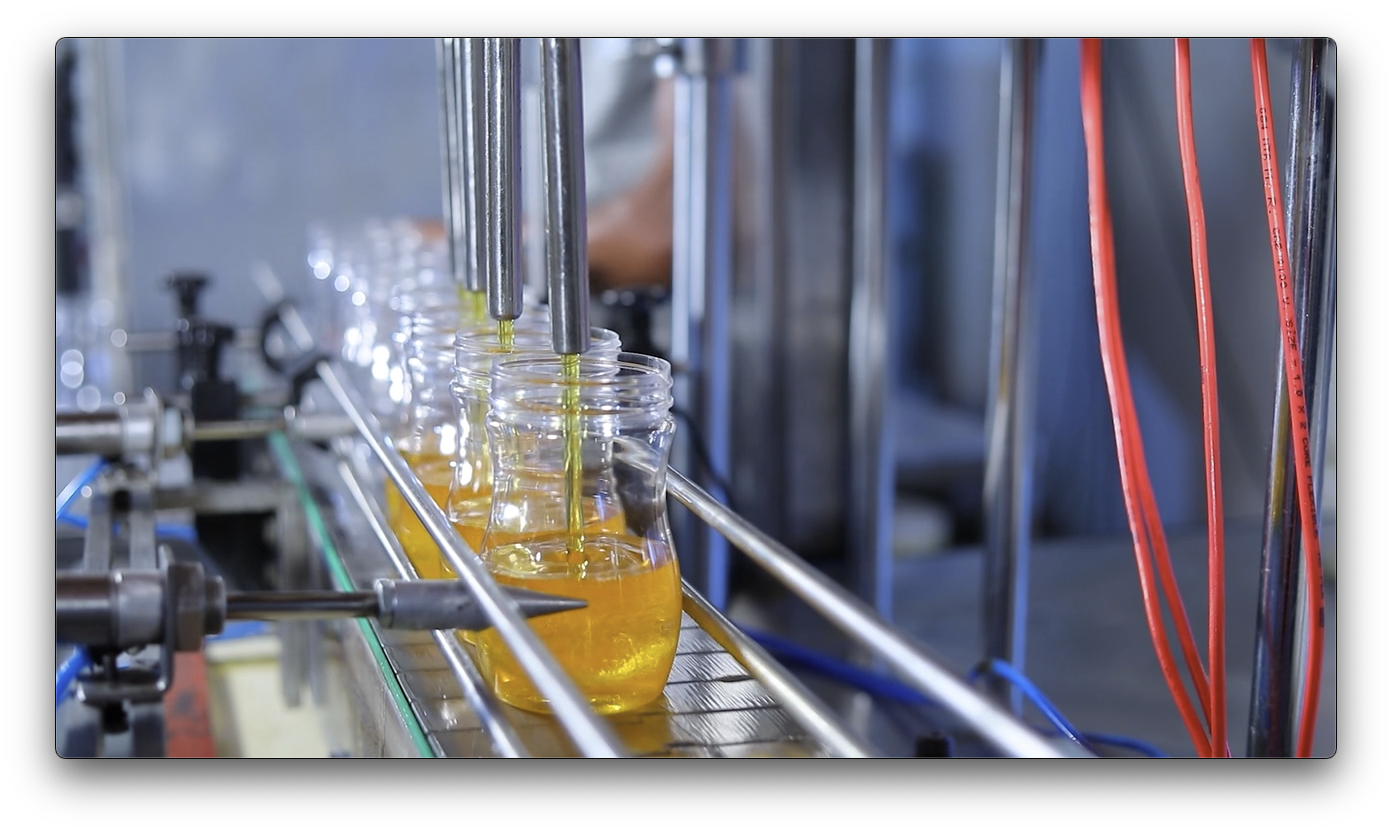
Packaging is no longer a side issue, but hard data. From 12 August 2026, the European packaging regulation (PPWR) applies to almost everyone who puts packaging on the market, including SMEs. Add EPR and CSRD to that, and you have to know exactly how much and which packaging material you put on the market, per product, material and country. Today that data is usually fragmented. PimLayer brings it together.
Packaging data is everywhere, except with the product.
Packaging is essentially a product property, but is often managed outside the product.
Fragmented across systems
Product info in PIM/ERP, packaging in Excel or with your supplier, pallet build-up with logistics. No one knows which version is the latest.
Reports take weeks
Declarations for EPR organisations and authorities you put together laboriously by hand every year.
Data that is wrong
A lighter box or different film does not get applied everywhere. Your figures are not auditable.
Packaging at every level, linked to your product.
Primary packaging
The packaging around the product itself: material, weight and recycling category of e.g. bottle, cap and label, or bag and film.
Secondary packaging
The collective packaging: cardboard box, inlays, tape. Type of cardboard and weight, per number of units.
Tertiary packaging
The logistics layer: type of pallet (wood/plastic, reusable or not), number of boxes per pallet and stretch film.
The real problem: packaging data is not with the product
Many organisations manage product information in their PIM or ERP, but the packaging data lives somewhere else: in loose Excel files, with the packaging supplier or with logistics. The result: no one is sure which version is correct, small changes (a lighter box, different film) do not get applied everywhere, and reports take weeks of work every year. The core is simple: packaging is a product property, but is managed outside the product.
One source of truth for product and packaging data
With PimLayer you link all packaging information directly to the product, at every level from bottle to pallet. Do you change the packaging of a product? Then you change that in one place and all derived data follows. Product managers, sustainability and logistics teams work in the same data, each with their own view, with version control and an audit trail. That way your reporting team has one reliable source instead of “hunting” data with different departments.
Export-ready for CSRD, PPWR and EPR
A system alone is not enough; the data has to be able to come out in the form you need. With PimLayer you run exports per country, brand, product group or period to CSV or Excel, ready for your declarations with EPR organisations, your CSRD report or an audit. Faster, more reliable, and with figures whose origin you can show.
How are you ready before August 2026?
The PPWR is coming regardless, and those who get their packaging data structurally in order now do not have to improvise later. Want to know where you stand today and what you are still missing? We are happy to look at that together in a free assessment or a short conversation.
Answers to your questions
What is CSRD?
The Corporate Sustainability Reporting Directive is the European directive that obliges companies to report on their impact on the environment, people and society (ESG). Packaging is an important source of environmental impact within that.
What is the difference between CSRD, PPWR and EPR?
CSRD is about broad sustainability reporting. PPWR (the Packaging and Packaging Waste Regulation, EU 2025/40) is a regulation with concrete requirements for packaging and applies from 12 August 2026 across the whole EU. EPR (extended producer responsibility) makes producers responsible for the full life cycle of their packaging, including collection and recycling (in Belgium via e.g. Valipac and Fost Plus).
Does this apply to my company too?
Probably more than you think. The mandatory CSRD reporting, after the Omnibus simplification, is mainly for the largest companies and partly postponed. But the PPWR applies from 12 August 2026 to almost everyone who puts packaging on the EU market, including SMEs, and your larger customers will request your packaging data for their own reporting. In short: even as a mid-market company, you are best off getting your packaging data in order now.
How does PimLayer help with the reporting?
PimLayer links all packaging information directly to your products, at primary, secondary and tertiary level. That lets you calculate per product, order, customer or country how much packaging material you put on the market, and export in a few clicks to CSV or Excel in the format that your CSRD or EPR partner or the authorities request.
Ready to take control of your product data?
Book a demo, or first calculate your time saved with the ROI calculator.